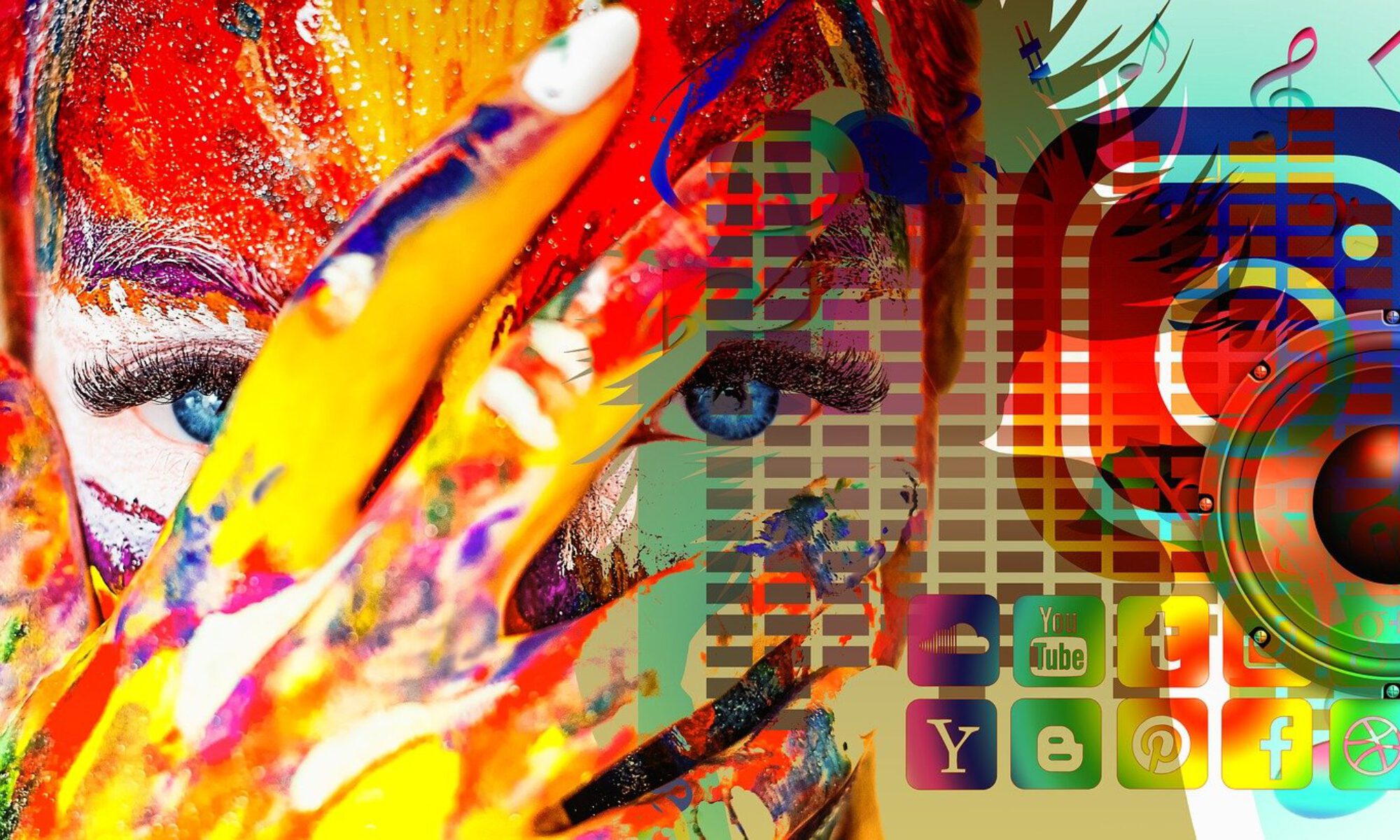

The advent of mobile technology has revolutionized the landscape of creative work, offering unprecedented opportunities for artists, designers, and content creators to produce, share, and monetize their work from virtually anywhere. Today, mobile applications serve as vital tools that foster innovation and democratize creative expression in a way that was previously unimaginable.
The Rise of Mobile Creativity Tools
Over the last decade, we have witnessed a surge in high-performance mobile apps tailored for creative pursuits, ranging from complex graphic design to music production and video editing. According to industry data, the global mobile app revenue surpassed $300 billion in 2022, reflecting both consumer demand and the growing professional adoption of these platforms. Notably, apps like Procreate Pocket, Adobe Photoshop Express, and GarageBand exemplify how mobile solutions have become essential to contemporary workflows.
Case Study: Transforming Workflow with Mobile Innovation
One compelling example of mobile technology’s impact on creative productivity is the use of specialized apps that combine accessibility with robust features. For instance, many designers leverage iPads coupled with powerful applications to sketch, design, and iterate on projects without the need for expensive desktop setups. Such mobility not only accelerates project timelines but also enables collaboration in real-time across geographies.
In this context, platforms that enable seamless mobile integration become strategic assets. A noteworthy development is the availability of dedicated apps that optimize productivity and creative output on iOS devices. For creators wishing to explore such options, the Mineloom mobile app for iOS stands out as a comprehensive solution tailored for collaborative digital modeling and project management.
What Differentiates Leading Mobile Creative Apps?
| Feature | Traditional Desktop Tools | Mobile Applications |
|---|---|---|
| Accessibility | Limited to desktop environment | Accessible anytime, anywhere |
| Performance | High-end hardware needed | Optimized for mobile hardware, with cloud syncing |
| Collaboration | Usually requires network sharing and desktop sharing | Real-time updates and sharing via cloud services |
| Cost | Costly software licenses and hardware investments | Subscription-based or free freemium models |
The transition from desktop-centric workflows to mobile-first paradigms signifies a broader trend in the creative economy, emphasizing flexibility, speed, and inclusivity. This transformation is supported by advances in mobile hardware, software ecosystems, and cloud infrastructure, which collectively foster innovative workflows that were once inaccessible.
The Future of Mobile Creative Applications
As the industry evolves, we observe a proliferation of AI-powered tools, gesture-based interfaces, and augmented reality features integrated into mobile apps. These innovations are not only expanding the creative possibilities but also reducing barriers for amateur creators to develop professional-grade work.
„Mobile applications are democratizing creativity, making it possible for a novice in a rural community to produce, edit, and publish high-quality digital content with just a smartphone.“ – Industry Analyst, Creative Tech Weekly
Organizations that prioritize mobile innovation are positioning themselves at the forefront of this wave — empowering users with tools that are both intuitive and robust. For both individual artists and large creative teams, embracing mobile-centric workflows is increasingly becoming not just advantageous, but essential.
Conclusion: Embracing Mobile Innovation for Creative Excellence
In an era where speed and adaptability define success in the digital creative economy, leveraging advanced mobile applications becomes imperative. Platforms like the Mineloom mobile app for iOS exemplify how specialized mobile tools facilitate collaboration, streamline project management, and elevate creative output on the go. As these technologies mature, their integration will undoubtedly enrich the tapestry of digital innovation, empowering creators to push boundaries in unprecedented ways.